
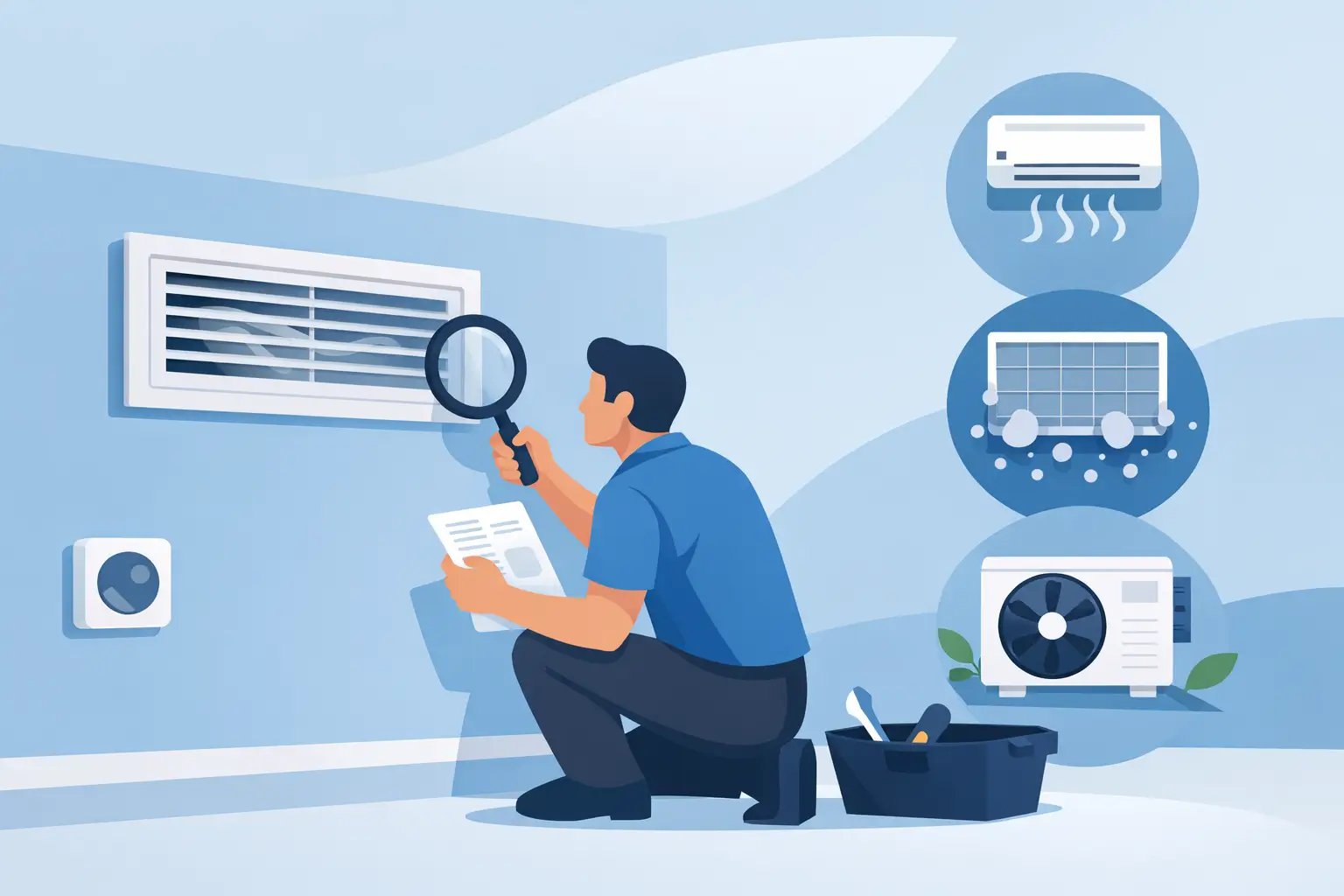
One room feels stuffy, another is freezing, and the vents barely move enough air to cool the space. Weak airflow is more than a comfort issue in a San Antonio home or business. It can make your system run longer, raise energy costs, strain equipment, and leave you wondering whether you need a repair or a replacement. Knowing how to fix weak airflow starts with identifying where the restriction or mechanical problem is occurring.
Some causes are simple and safe to address yourself. Others require a trained technician to protect your equipment and get an accurate diagnosis. The goal is not to throw parts at the problem. It is to restore proper airflow with the right repair, done right the first time.
Start With the Easy Airflow Checks
Before assuming there is a major HVAC failure, check the items that commonly restrict air movement. These checks take only a few minutes and can sometimes solve the issue immediately.
Replace a dirty air filter
A clogged filter is one of the most frequent causes of weak airflow. As dust, pet hair, and debris build up, the blower has to work harder to pull air through the system. Eventually, less conditioned air reaches the vents.
Check the filter at the return grille or at the indoor air handler. If it looks gray, matted, or visibly dirty, replace it with the correct size and airflow rating. Many homes benefit from checking filters monthly and replacing them every one to three months, depending on pets, allergies, construction dust, and how often the system runs.
A higher-rated filter is not always better. Very dense filters can restrict airflow if the system was not designed for them. If you are unsure which filter is appropriate, ask an HVAC professional rather than choosing the most expensive option on the shelf.
Make sure vents and returns are open and clear
Walk through the building and confirm that supply vents are fully open. Furniture, rugs, curtains, and storage boxes can block air before it enters the room. This is especially common in bedrooms, offices, and rental properties where furnishings change over time.
Also check return-air grilles. Returns pull air back to the system so it can be cooled or heated again. Blocking a return can reduce airflow throughout the home, not just in one room. Avoid closing multiple supply vents in an effort to force more air into another area. That strategy can increase static pressure and create additional problems for the blower and ductwork.
Check the thermostat settings
Set the thermostat to cooling mode and lower the set temperature a few degrees below the current room temperature. Make sure the fan setting is on Auto for normal operation. If the fan runs but airflow remains weak, the issue is likely not the thermostat setting alone.
If you have a smart thermostat, verify that schedules, occupancy settings, and fan circulation features are not working against your comfort needs. A thermostat can control when the equipment runs, but it cannot correct a blocked duct, dirty coil, or failing blower motor.
How to Fix Weak Airflow When Basic Checks Do Not Work
When a clean filter and open vents do not improve airflow, the issue often involves the indoor equipment or duct system. This is where professional diagnostics matter. Several different problems can feel the same from a room vent, but they require very different solutions.
Look for signs of a frozen evaporator coil
Low airflow can cause an evaporator coil to freeze, and a frozen coil can further reduce airflow. You may notice ice on the refrigerant line near the indoor unit, water around the air handler after the ice melts, or air that starts weak and gets worse over time.
Turn the cooling system off if you see ice. Set the thermostat fan to On only if the system is not producing unusual sounds and you are trying to help the coil thaw. Do not chip ice away or continue running the AC in cooling mode. A technician should identify why the coil froze, which could involve restricted airflow, low refrigerant, a dirty coil, or a mechanical issue.
Have the blower assembly inspected
The blower motor and blower wheel are responsible for moving air through the system. A failing motor, damaged capacitor, loose electrical connection, worn belt on some commercial equipment, or buildup on the blower wheel can all reduce air volume.
These issues are not always obvious to a homeowner. The system may still cool somewhat, but rooms may take much longer to reach the thermostat setting. You might also hear humming, squealing, rattling, or inconsistent fan speed. A professional can test the motor, inspect electrical components, and measure whether the blower is moving the amount of air the system requires.
Address dirty coils and internal restrictions
Your indoor evaporator coil sits inside the air handler or furnace cabinet. Over time, dust can collect on the coil, particularly when filters have been neglected or return ducts are leaky. This buildup restricts airflow and reduces the coil’s ability to absorb heat.
Coil cleaning is not a simple spray-and-go task. Accessing the coil incorrectly can damage delicate fins, create drainage issues, or leave debris deeper in the cabinet. A proper maintenance visit includes inspecting the coil, drain system, blower components, and overall airflow conditions so the underlying cause is not missed.
Ductwork Problems Can Affect One Room or the Whole Building
If airflow is weak in one or two areas but strong everywhere else, ductwork is a likely suspect. A disconnected duct, crushed flex duct, leaking joint, closed balancing damper, or poorly designed branch line can keep conditioned air from reaching the room that needs it.
In older homes, ducts may also be undersized for a newer, larger HVAC system. In newer homes, a room addition or converted garage may never have received adequate duct capacity. Adding a bigger system without correcting the duct design is rarely the right answer. It can create noise, humidity problems, short cycling, and uneven temperatures.
A qualified technician can inspect accessible ducts and measure system static pressure and airflow. Those readings help distinguish a simple duct repair from a larger design issue. For property managers and business owners, this diagnostic approach is particularly valuable because it prevents repeated service calls for the same comfort complaint.
Consider room-specific factors
Not every hot room is caused by the HVAC system. West-facing windows, poor attic insulation, air leaks around doors, high ceilings, electronics, and extra occupants can add a significant heat load. A room may have normal airflow but still be uncomfortable because it gains more heat than the original design anticipated.
The solution depends on the cause. Sealing air leaks, improving insulation, adding window treatments, adjusting duct balancing, or evaluating zoning may be appropriate. A trustworthy contractor should explain the trade-offs clearly instead of recommending a replacement before confirming the problem.
When Weak Airflow Needs Professional Service
Schedule an HVAC inspection promptly if weak airflow is paired with warm air, ice on refrigerant lines, burning smells, water leaks, loud blower noises, frequent cycling, or a sudden increase in utility bills. These symptoms can indicate problems that worsen when the system continues to run.
You should also call for service when the airflow issue returns after a filter change or affects multiple rooms. Repeatedly closing vents, changing thermostat settings, or buying portable fans may mask the problem, but they will not correct a failing component or damaged duct.
At Cadillac Air Conditioning & Heating, our technicians focus on accurate diagnostics, clear explanations, and repair-first recommendations whenever practical. After identifying the cause, you should receive a straightforward explanation of the work needed, the available options, and transparent pricing before repairs begin.
Prevent Weak Airflow Before Peak Cooling Season
Preventive maintenance is one of the best ways to avoid airflow problems during a Texas summer. A thorough service visit can catch dirty components, drainage concerns, worn electrical parts, refrigerant issues, and duct-related warning signs before they turn into an uncomfortable breakdown.
Between visits, keep filters current, leave returns unobstructed, watch for changes in airflow, and address unusual noises early. These small habits help protect efficiency and give your system a better chance of delivering consistent comfort when the heat is at its worst.
If your vents are still barely moving air after the basic checks, do not settle for a temporary workaround. A careful diagnosis can restore comfort, protect your equipment, and help you make a confident decision based on what your property actually needs.
